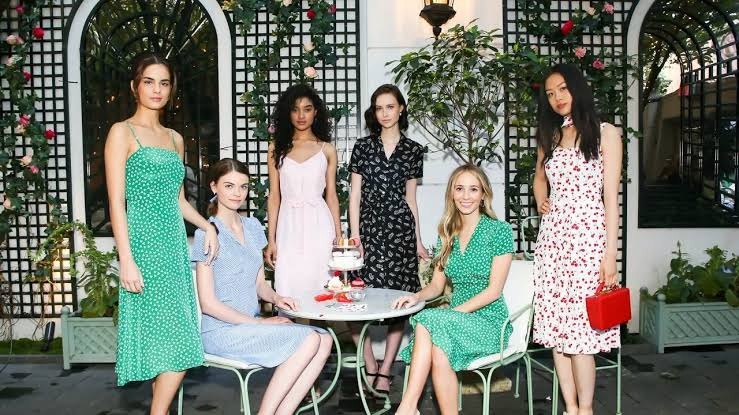
Fashion has always been a way for people to express themselves, but for a long time, not everyone felt represented by the clothing industry. Limited size ranges, narrow beauty standards, and a lack of variety made shopping difficult for many people.
Today, things are gradually changing. More people want clothing that reflects different body types, personal styles, abilities, and cultural backgrounds. Inclusive fashion is becoming an important part of modern society because everyone deserves to feel comfortable and confident in what they wear.
What Is Inclusive Fashion?
Inclusive fashion means creating clothing that considers the needs and preferences of a wide range of people. It goes beyond offering different sizes and includes thoughtful designs, accessible features, and styles that suit different lifestyles.
For example, some brands offer extended size ranges, while others design adaptive clothing for people with disabilities. Culturally inspired designs and a wider variety of models in fashion campaigns also help make the industry more welcoming.
The goal is simple: clothing should give people more choices rather than make them feel that they do not belong.
Why Representation Matters in Fashion
When people see others with different backgrounds, body types, and abilities represented in fashion, it can make the industry feel more welcoming. Advertising and fashion campaigns have a powerful influence on how people view clothing and personal style.
For years, many shoppers struggled to find clothes that suited their needs or reflected their identities. Better representation helps show that there is no single way to look fashionable.
Fashion becomes more meaningful when people can find inspiration from styles and individuals they relate to.
The Growing Demand for More Clothing Options
Modern shoppers are becoming more aware of what they want from clothing brands. They are looking for practical choices, comfortable fits, and designs that work with their everyday lives.
A wider size range is one important part of this change. When brands offer more sizing options and provide clear information about fit, customers can shop with greater confidence.
Other shoppers may need adjustable fastenings, easy-to-wear designs, or clothing that accommodates cultural preferences. Paying attention to these needs allows brands to serve more people instead of focusing on a limited group of customers.
How Inclusive Fashion Supports Personal Expression
Clothing is more than something people wear to cover themselves. It can reflect personality, culture, interests, and individual taste.
Some people prefer bright colors and bold patterns, while others feel most comfortable in simple, classic outfits. Inclusive fashion makes room for these differences rather than suggesting that everyone should follow the same trends.
It also encourages people to explore their own style. When shoppers have more suitable options, they can choose clothing that feels right for them instead of settling for something that does not meet their needs.
The Role of Social Media in Changing Fashion
Social media has helped bring more voices into fashion conversations. Independent creators, everyday shoppers, and smaller clothing brands can now share ideas and styles with audiences around the world.
People can discover different ways to wear familiar pieces, learn about brands offering extended sizes, and find inspiration from communities that were often overlooked in traditional fashion advertising.
However, representation on social media needs to be genuine. Simply showing a diverse range of people in a campaign is not enough if the clothing itself is unavailable or unsuitable for their needs.
Why Inclusive Fashion Benefits Clothing Brands
Inclusive fashion is not only important for shoppers. It can also help clothing brands build stronger relationships with their customers.
When a company listens to different needs and provides useful clothing options, customers may feel more understood and valued. This can encourage trust and help create lasting relationships.
It also gives brands an opportunity to think more creatively about design. By considering different body shapes, preferences, and everyday challenges, designers can develop clothing that works for a wider audience.
Most importantly, inclusion should be part of a brand’s approach from the beginning, rather than a marketing message added later.
Challenges the Fashion Industry Still Faces
Although progress is being made, inclusive fashion still has room to grow. Some brands offer limited size ranges, while adaptive clothing and certain specialized designs can be difficult to find.
Affordability is another concern. Clothing designed to meet specific needs should not automatically be out of reach for the people who need it.
Brands also need to make sure their promises match their products. Genuine inclusion requires thoughtful design, consistent availability, useful product information, and feedback from the people who will wear the clothing.
Making these changes takes time, but listening to customers is an important place to start.
What the Future of Inclusive Fashion Could Look Like
The future of inclusive fashion will likely depend on how well brands respond to the real needs of their customers. More flexible sizing, practical designs, improved shopping experiences, and broader representation can all help move the industry forward.
Technology may also play a role. Better size guides, virtual fitting tools, and personalized shopping features could help customers find suitable clothing more easily, although these tools still need to work well for different people.
As expectations continue to change, brands that focus on genuine inclusion will have more opportunities to connect with shoppers in meaningful ways.
Final Thoughts
Inclusive fashion is becoming more important because people want clothing that respects their differences and supports their everyday lives. Whether it means finding the right size, choosing culturally meaningful designs, or wearing clothes that are easier to put on, having suitable options makes a real difference.
Fashion should offer people the freedom to express themselves, not make them feel that they need to fit into a narrow standard. By listening to customers and creating more thoughtful designs, the clothing industry can become more welcoming and useful for everyone.
In the end, great fashion is not about making everyone look the same. It is about giving more people the opportunity to feel comfortable, express their individuality, and enjoy what they wear.